

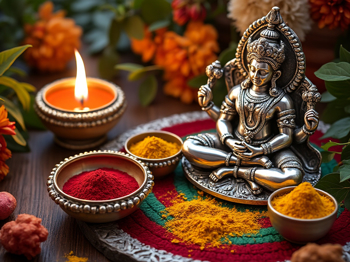
Chaitra Gowri Vratam is a significant Hindu ritual dedicated to Goddess Gowri, also known as Parvati, the consort of Lord Shiva. This vratam, or vow, is primarily observed by women during the Chaitra month of the Hindu calendar, which typically falls in March or April. The ritual is performed with great devotion and is particularly popular in the southern states of India, such as Karnataka and Andhra Pradesh. The vratam is believed to invoke the blessings of Goddess Gowri for the well-being, prosperity, and longevity of the family, especially the husband. The observance of this vratam involves fasting, offering special prayers, and performing a detailed puja to honor the Goddess.

The significance of Chaitra Gowri Vratam lies in the worship of Goddess Gowri, who is revered as the embodiment of strength, purity, and the ideal wife. By observing this vratam, devotees seek to imbibe these qualities and gain the favor of the Goddess. The ritual is a symbol of devotion, self-discipline, and the spiritual bond between husband and wife. It is also believed that the vratam helps in removing obstacles, ensuring marital bliss, and enhancing the overall well-being of the family. The puja is an expression of gratitude and a means to seek divine intervention in overcoming life's challenges.
Marital Bliss: Observing this vratam is believed to strengthen the bond between husband and wife, ensuring harmony and happiness in marital life.
Well-being of the Family: The vratam is performed with the intention of securing the health, prosperity, and overall well-being of the family.
Overcoming Obstacles: Devotees believe that the blessings of Goddess Gowri can help in removing obstacles and challenges in life, providing a smoother path forward.
Spiritual Growth: The vratam encourages self-discipline, devotion, and adherence to spiritual practices, which contribute to the devotee's spiritual growth.
Longevity of Husband: The ritual is traditionally believed to contribute to the longevity and health of the husband, as the wife prays for his well-being.
Prosperity: By worshipping Goddess Gowri, devotees seek her blessings for prosperity and abundance in their lives.
Inner Strength: The vratam is also a way to invoke the inner strength and resilience embodied by Goddess Gowri, helping devotees to face life's difficulties with courage.
By performing Chaitra Gowri Vratam with faith and devotion, participants seek to receive the divine grace of Goddess Gowri, which is believed to bring peace, happiness, and success into their lives.
By following these steps with devotion and sincerity, the Chaitra Gowri Vratam can be a spiritually uplifting experience, bringing peace, prosperity, and blessings to the family.
Chaitra Gowri Vratam Vrath Katha is a significant story associated with the observance of the Chaitra Gowri Vratam, a Hindu ritual dedicated to Goddess Gowri (an incarnation of Goddess Parvati) during the Chaitra month (March-April) according to the Hindu lunar calendar. The vrat (fasting) is observed by women for the well-being of their families, particularly for the long life and prosperity of their husbands.
Once upon a time, in a small village, there lived a pious Brahmin woman who was deeply devoted to Goddess Gowri. She was known for her righteousness, and every year during the Chaitra month, she observed the Gowri Vratam with utmost devotion. She would invite other women from the village to join her in the worship and recitation of the Gowri Vrat Katha.
One year, a poor Brahmin widow, who had nothing but her deep faith in the Goddess, heard about the significance of the Chaitra Gowri Vratam. She decided to observe the fast, despite her poverty and hardships. She performed the puja with great devotion and narrated the vrat katha with full faith.
The story she recited was about a righteous king and queen. The king was very powerful and had immense wealth, but despite all his riches, he had no peace of mind. The queen, who was a devotee of Goddess Gowri, decided to observe the Chaitra Gowri Vratam. She performed the vrat with utmost devotion, and as a result, the kingdom flourished. The king's worries disappeared, and the entire kingdom enjoyed peace and prosperity.
After hearing this katha, the poor widow prayed to Goddess Gowri with all her heart. Impressed by her devotion, Goddess Gowri appeared before her in a dream and blessed her. The next morning, the widow found her home filled with riches. Her life changed overnight, and she became one of the wealthiest women in the village.
The other women, upon hearing her story, were amazed by the grace of Goddess Gowri and the power of the Chaitra Gowri Vratam. From that day onwards, more women in the village started observing the vrat with deep faith and devotion.
The significance of the Chaitra Gowri Vratam lies in the belief that those who observe this vrat with pure heart and devotion are blessed with happiness, prosperity, and the long life of their husbands. The vrat also symbolizes the victory of good over evil and the importance of faith and devotion in one’s life.
The Chaitra Gowri Vratam is typically performed with rituals that include the offering of flowers, fruits, and sweets to Goddess Gowri, chanting of prayers, and listening to or reciting the vrat katha. The observance of this vrat is believed to bring immense blessings and fulfillment of wishes.