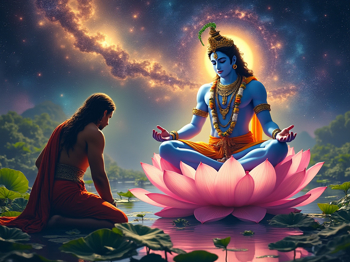
- Spiritual Upliftment: The festival provides a platform for individuals to connect with the divine teachings of Lord Krishna, offering guidance on how to lead a righteous life.
- Cultural Heritage: The Geeta Paath Festival helps preserve and promote the rich cultural and spiritual heritage of India by encouraging the study and recitation of the Bhagavad Gita.
- Moral Guidance: The teachings of the Bhagavad Gita provide timeless moral and ethical guidance, helping individuals navigate the complexities of life with wisdom and grace.
- Unity and Community Building: The collective recitation of the Gita fosters a sense of unity and togetherness among participants, reinforcing communal harmony and shared spiritual values.
- Mental Clarity: Regular recitation and contemplation of the Gita's verses can help clear the mind of negativity and confusion, leading to greater mental focus and clarity.
- Emotional Balance: The teachings of the Gita encourage emotional detachment from the outcomes of actions, promoting inner peace and emotional resilience.
- Spiritual Growth: Engaging with the Gita’s profound teachings aids in personal spiritual development, helping individuals align with their higher purpose.
- Stress Relief: The meditative practice of chanting the Gita's verses can reduce stress, anxiety, and tension, leading to a more peaceful and relaxed state of mind.
- Enhanced Concentration: The disciplined practice of recitation enhances concentration and memory, benefiting both spiritual practice and daily activities.
- Moral Strength: The Gita's teachings provide a moral compass, helping individuals make ethical decisions and stand firm in the face of life's challenges.
- Community Bonding: Participation in the festival strengthens community bonds as individuals come together to share in the spiritual experience, creating a supportive network of like-minded individuals.
Performing Geeta Paath involves the reverent recitation and study of the Bhagavad Gita. The following steps outline a traditional procedure for performing this sacred practice:
1. Preparation
- Select a Clean and Quiet Space: Choose a quiet, clean, and sacred space for the recitation, such as a home altar, temple, or any peaceful environment where you won’t be disturbed.
- Set Up the Altar: Place an image or idol of Lord Krishna on a clean cloth or small table. Arrange flowers, incense, a lamp (diya), and offerings (fruits, sweets) in front of the image.
- Gather Materials: Ensure you have a copy of the Bhagavad Gita (in your preferred language or script) and any other necessary materials like a mat or cushion for seating.
2. Purification
- Personal Cleanliness: Take a bath and wear clean, modest clothing. Traditionally, white or light-colored clothes are preferred.
- Space Cleansing: Light incense or sage to purify the space. You may also sprinkle water around the area with a few tulsi (holy basil) leaves.
3. Invocation
- Lighting the Lamp: Light the lamp (diya) placed in front of Lord Krishna’s image.
- Prayer to Lord Ganesha: Begin by invoking Lord Ganesha for the removal of obstacles. Chant a short prayer like "Om Gan Ganapataye Namah."
- Prayer to Saraswati: Offer a prayer to Goddess Saraswati for knowledge and wisdom to understand the teachings of the Gita.
4. Recitation of Geeta Dhyanam
- Geeta Dhyanam (Meditative Prayer): Recite the introductory prayer or Geeta Dhyanam, which helps to focus the mind on the sacred text and invokes blessings for a successful recitation.
5. Recitation of the Bhagavad Gita
- Start with the First Chapter: Begin reading from Chapter 1, Verse 1, aloud or silently, with attention and devotion. You can either recite alone or with a group.
- Focus on the Meaning: As you recite, try to understand the meaning of each verse. If you are in a group, you can discuss the verses or listen to an explanation from a knowledgeable person.
- Chant Slowly and Clearly: Pronounce each word clearly, and maintain a steady pace, allowing the meaning to sink in.
- Completion of Chapters: Continue reading through the chapters in sequence. You may choose to complete the entire Gita in one session or spread it over multiple days, depending on your time and preference.
6. Aarti and Concluding Prayers
- Aarti (Waving of Light): After completing the recitation, perform the Aarti to Lord Krishna. Wave the lighted lamp in a circular motion in front of the deity's image while singing a Krishna Aarti (e.g., “Om Jai Jagadish Hare”).
- Concluding Prayer: Offer a prayer of gratitude to Lord Krishna, thanking him for the wisdom imparted through the Gita.
- Seek Blessings: Bow down and seek the blessings of Lord Krishna for applying the teachings of the Gita in your life.
7. Distribution of Prasad
- Offering Prasad: Offer the fruits, sweets, or any other food item you have prepared to Lord Krishna.
- Distribute Prasad: Share the Prasad with all participants and family members, symbolizing the sharing of divine blessings.
8. Reflection and Meditation
- Silent Reflection: Spend a few moments in silent meditation, reflecting on the teachings of the verses you have recited.
- Daily Practice: If possible, make Geeta Paath a regular practice, either daily or weekly, to continually immerse yourself in the teachings of the Bhagavad Gita.
By following these steps, the practice of Geeta Paath can become a profound spiritual experience, deepening your connection with the teachings of the Bhagavad Gita and bringing inner peace and wisdom into your life.