
Masthead Image

floating page accent - lotus
Ecfecd56 2715 4Be9 A62b B935f190f2f0

Navagrah Puja

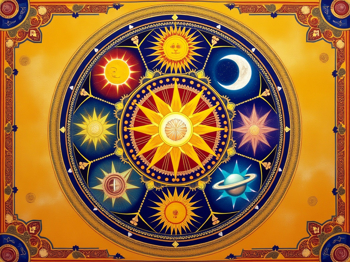
Navagrah Puja is a traditional Hindu ritual dedicated to the worship of the nine celestial bodies, known as "Navagrahas," that are believed to influence human life according to Vedic astrology. These nine planetary deities—Surya (Sun), Chandra (Moon), Mangal (Mars), Budh (Mercury), Brihaspati (Jupiter), Shukra (Venus), Shani (Saturn), Rahu (North Node of the Moon), and Ketu (South Node of the Moon)—are considered powerful forces that affect various aspects of life, including health, wealth, relationships, and destiny. Performing the Navagrah Puja is a spiritual practice aimed at appeasing these planetary deities to mitigate any malefic effects and to seek their blessings for overall well-being and prosperity.

floating page accent - lotus

The Navagrah Puja holds immense significance in Hindu culture as it is believed to balance the energies associated with the nine planets, thereby aligning them favorably for the individual. Each planet is said to have specific attributes and governs different aspects of life. For instance, Surya is associated with power and authority, while Shani governs discipline and challenges. By performing this puja, devotees seek to reduce the adverse effects caused by the unfavorable positioning of these planets in their astrological charts, thus ensuring a harmonious and prosperous life. The ritual is often performed during significant life events such as marriages, new ventures, or when one faces persistent challenges in life.

  • Mitigation of Negative Influences: Helps in reducing the adverse effects of planets that may be causing challenges or obstacles in life.

  • Health Benefits: Promotes mental and physical well-being by balancing planetary influences that might cause health issues.

  • Enhancement of Prosperity: Attracts wealth, success, and abundance by seeking the blessings of planets governing financial stability.

  • Improved Relationships: Harmonizes relationships by addressing astrological imbalances that might lead to conflicts or misunderstandings.

  • Career and Professional Growth: Boosts professional success by aligning the planetary energies in favor of career advancements.

  • Spiritual Growth: Facilitates spiritual development and inner peace by invoking the divine energies of the Navagrahas.

  • Protection from Malefic Effects: Acts as a protective shield against the negative impacts of planetary transits and unfavorable astrological periods.

  • Increased Mental Clarity: Helps in gaining focus, clarity, and wisdom by balancing the energies of planets that influence the mind and intellect.

  • Family Harmony: Promotes peace and harmony within the family by addressing planetary influences that may cause discord.

  • Success in New Ventures: Ensures a favorable start and smooth progress in new endeavors by seeking the blessings of the Navagrahas.

Performing a Navagraha Puja is a sacred Hindu ritual aimed at appeasing the nine planetary deities (Navagrahas) to mitigate the malefic effects of planets and enhance their positive influences. Here’s a step-by-step guide to performing a Navagraha Puja:

1. Preparation

  1. Select an Auspicious Date: Consult a priest or a panchang (Hindu calendar) to choose an auspicious date and time (muhurat) for the puja.
  2. Clean the Space: Clean the area where the puja will be conducted. It should be a quiet and clean place.
  3. Personal Cleanliness: Take a bath and wear clean clothes. White or yellow clothes are preferred.
  4. Gather Materials:
    • Navagraha idols or Yantras: These represent the nine planets.
    • Kumkum, Haldi (turmeric), and Sandalwood paste: For tilak and anointing.
    • Flowers: Fresh flowers for offering.
    • Incense sticks and Camphor: For aarti.
    • Coconut, Betel leaves, Betel nuts: For offering.
    • Fruits and Sweets: As prasad.
    • Ghee or Oil lamps: For lighting.
    • Water and Panchamrit: A mixture of milk, curd, honey, ghee, and sugar.

2. Setting Up the Altar

  1. Place the Navagraha idols or Yantras: Arrange them in a specific order:
    • Surya (Sun) in the center
    • Chandra (Moon) at the top right
    • Mangal (Mars) at the top left
    • Budh (Mercury) on the right side
    • Brihaspati (Jupiter) on the left side
    • Shukra (Venus) at the bottom right
    • Shani (Saturn) at the bottom left
    • Rahu and Ketu at the bottom center (with Rahu to the right of Ketu)

3. Invocation

  1. Lighting the Lamp: Light a ghee or oil lamp and place it in front of the altar.
  2. Aachaman: Purify yourself by sipping water from the palm of your right hand.
  3. Pranayama: Practice deep breathing to calm the mind.
  4. Ganesh Puja: Begin by invoking Lord Ganesha to remove obstacles. Offer flowers, incense, and sweets to Lord Ganesha.
  5. Sankalpa (Resolution): Take a vow or resolve for the puja’s purpose. Mention your name, family details, and the specific reason for conducting the Navagraha Puja.

4. Navagraha Puja

  1. Individual Graha Puja: Start with Surya and proceed in the following order: Chandra, Mangal, Budh, Brihaspati, Shukra, Shani, Rahu, and Ketu.
    • Aavahanam (Invocation): Invite the deity by chanting the respective Navagraha mantra.
    • Asana (Offering of Seat): Offer a seat to the deity.
    • Paadya (Washing of Feet): Symbolically wash the deity’s feet with water.
    • Arghya (Offering of Water): Offer water to the deity.
    • Pushpa (Flowers): Offer flowers to the deity.
    • Dhoopam (Incense): Offer incense to the deity.
    • Deepam (Lamp): Show the lighted lamp to the deity.
    • Naivedyam (Offering of Food): Offer fruits, sweets, and coconut.
    • Aarti: Perform aarti with camphor and lamps while chanting the respective mantra.

5. Specific Mantras for Each Planet

  • Surya (Sun): "Om Suryaya Namah"
  • Chandra (Moon): "Om Chandraya Namah"
  • Mangal (Mars): "Om Mangalaya Namah"
  • Budh (Mercury): "Om Budhaya Namah"
  • Brihaspati (Jupiter): "Om Brihaspataye Namah"
  • Shukra (Venus): "Om Shukraya Namah"
  • Shani (Saturn): "Om Shanaischaraya Namah"
  • Rahu: "Om Rahave Namah"
  • Ketu: "Om Ketave Namah"

6. Concluding the Puja

  1. Final Aarti: Perform a final aarti to all the Navagrahas together.
  2. Pradakshina: Circumambulate the altar (if possible) three or seven times, in a clockwise direction.
  3. Visarjan (Farewell): Offer flowers and water to bid farewell to the deities, requesting them to return to their abodes.

7. Distribution of Prasad

  1. Distribute Prasad: Offer the fruits and sweets that were placed as naivedyam to the participants of the puja.
  2. Donation: If possible, make a donation to the poor or a temple.

8. Post-Puja Activities

  1. Panchamrit: Sprinkle the water or panchamrit on yourself and others to receive blessings.
  2. Cleaning: Clean the area after the puja is complete.

9. Offer Gratitude

  1. Thank the Deities: Express gratitude to the Navagrahas for their blessings.

Performing the Navagraha Puja with devotion and sincerity is believed to bring harmony, remove obstacles, and ensure success and prosperity. If unsure about any step, consult a knowledgeable priest for guidance.