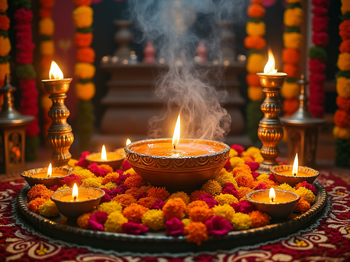
The puja (ritual worship) performed during Pongal holds profound significance as it is a way to express gratitude to the Sun God, Surya, for the energy and life he provides. The ritual also honors the earth, the cattle, and other natural elements that play a vital role in agriculture. Each day of the four-day festival has its specific puja, symbolizing different aspects of life and nature:
- Bhogi Pongal: The first day is dedicated to Lord Indra, the god of rain, who is thanked for a bountiful harvest. Homes are cleaned, and old items are discarded, symbolizing new beginnings.
- Surya Pongal: The second day is the main day of Pongal, where the Sun God is worshipped. The newly harvested rice is cooked in milk, and the first offering is made to Surya, signifying gratitude and hope for continued blessings.
- Mattu Pongal: The third day is dedicated to the worship of cattle, which are essential to farming. Cows and bulls are bathed, decorated, and fed with special treats, acknowledging their hard work and importance in the agricultural process.
- Kaanum Pongal: The final day is a day of family gatherings and outings, where people visit relatives and friends, sharing the joy and blessings of the harvest.
- Expresses Gratitude: The puja allows people to express their gratitude towards the Sun, earth, and nature for their role in providing sustenance and prosperity.
- Promotes Environmental Awareness: By honoring natural elements like the sun, rain, and soil, the puja fosters a deep respect for the environment and encourages sustainable practices.
- Strengthens Family Bonds: The festival involves family members coming together for rituals and celebrations, reinforcing familial ties and shared cultural values.
- Cultivates a Sense of Community: The collective celebration of Pongal strengthens community bonds, as neighbors and friends participate together in the festivities and rituals.
- Encourages Renewal and Positivity: The customs of cleaning homes and discarding old belongings symbolize letting go of the past and welcoming new, positive energies into one’s life.
- Supports Livestock Care: By honoring cattle during Mattu Pongal, the puja underscores the importance of animal welfare and the care of livestock in agricultural communities.
- Spiritual Reflection: The rituals and prayers encourage spiritual reflection, offering a time to contemplate life’s blessings and challenges with a grateful heart.
This blend of spiritual significance, cultural richness, and communal joy makes Pongal a deeply meaningful and cherished festival.
Performing Pongal involves a series of steps that reflect the traditional customs and rituals associated with this harvest festival. Here's a step-by-step guide on how to celebrate Pongal:
Day 1: Bhogi Pongal
-
Preparation and Cleaning:
- Wake up early and clean the house thoroughly. This symbolizes the removal of past negativity and the welcoming of new, positive energy.
- Gather old, unused, or broken household items to discard. These are typically burnt in a bonfire, symbolizing the end of old habits and the beginning of new, positive ones.
-
Bonfire Ritual:
- Set up a bonfire outside the house, usually in an open area.
- Place the old items gathered earlier into the bonfire and light it.
- Family members gather around the bonfire, offering prayers for a fresh start.
-
Decorating the House:
- Decorate the entrance of the house with rangoli (kolam) made from colored rice powder. Draw auspicious designs, often featuring geometric patterns, flowers, or deities.
- Tie mango leaves and banana saplings at the entrance to welcome prosperity and good fortune.
Day 2: Surya Pongal (Main Pongal Day)
-
Early Morning Bath and Attire:
- Rise before sunrise and take a traditional oil bath, which is considered purifying.
- Wear new or freshly cleaned traditional clothes to mark the occasion.
-
Pongal Preparation:
- Set up a clean area, preferably in an open space under the sunlight, to prepare the Pongal dish.
- Use a new or well-cleaned clay pot for cooking. Tie a turmeric plant or leaves around the neck of the pot for auspiciousness.
- Light a fire using wood or dried cow dung cakes. Place the clay pot on the fire.
-
Cooking Pongal:
- Add freshly harvested rice, moong dal (yellow lentils), and milk into the pot.
- As the mixture starts boiling, add jaggery (unrefined sugar), grated coconut, and ghee (clarified butter).
- Let the dish cook while stirring occasionally. When the dish starts to boil and overflow, people shout "Pongalo Pongal!" symbolizing abundance.
-
Offering to Surya (Sun God):
- Once the Pongal is ready, place it on a banana leaf or a clean plate.
- Decorate the area around the Pongal with flowers, turmeric, and kumkum (vermilion).
- Offer the Pongal to Surya, along with sugarcane, fruits, and other traditional offerings.
- Perform an aarti (ritual of light) to the Sun God and recite prayers to express gratitude for the harvest.
-
Sharing and Feasting:
- Distribute the prepared Pongal to family members, neighbors, and guests.
- Enjoy a traditional feast with family, including other festive dishes.
Day 3: Mattu Pongal
-
Cattle Decoration:
- Wake up early and clean the cattle (cows and bulls) by giving them a bath.
- Decorate them with garlands, turmeric, kumkum, and colorful cloths. Their horns are often painted or adorned with bells.
-
Puja to Cattle:
- Offer special dishes to the cattle, including Pongal, bananas, and sugarcane.
- Perform a puja to honor the cattle, acknowledging their hard work in farming.
-
Cattle Procession:
- In some villages, cattle are paraded around the village, accompanied by music and dance.
- Participate in traditional games and contests like Jallikattu (a traditional bull-taming event), if applicable.
Day 4: Kaanum Pongal
-
Visiting Relatives and Friends:
- On this day, people visit their relatives, friends, and neighbors, exchanging gifts and Pongal sweets.
- Special dishes like sugarcane, coconut, and turmeric are prepared and shared.
-
Outdoor Activities:
- Many families spend the day outdoors, often going to picnic spots or riversides.
- Participate in traditional games, cultural events, and community feasts.
-
Blessings and Rituals:
- In some regions, special rituals are performed to seek blessings for the well-being of the family and community.
- Offer prayers to ancestors and distribute food to the needy.
Conclusion
Celebrating Pongal is a joyful occasion that brings families and communities together to honor nature, express gratitude, and enjoy the fruits of the harvest. Each day of the festival has its unique customs and rituals, making Pongal a rich and meaningful celebration.