
Masthead Image

floating page accent - lotus
1A63ad39 A1ca 4Db5 8Bd2 95Cd93e8bab2

Raksha Bandhan

Raksha Bandhan, also known as Rakhi, is a traditional Hindu festival celebrated primarily in India and Nepal, symbolizing the bond of love, protection, and care between brothers and sisters. The name "Raksha Bandhan" literally translates to "the bond of protection," where "Raksha" means protection and "Bandhan" means bond. On this auspicious day, sisters tie a sacred thread called "Rakhi" around their brothers' wrists, praying for their well-being, prosperity, and long life. In return, brothers pledge to protect their sisters and often present them with gifts as a token of their love and commitment.

floating page accent - lotus

The Raksha Bandhan Puja is a vital ritual that enhances the spiritual essence of the festival. The puja is not just a formality; it is a deep and meaningful ceremony that reinforces the emotional and spiritual connection between siblings. During the puja, offerings are made to deities, prayers are chanted, and the Rakhi is sanctified before it is tied. The act of tying the Rakhi is accompanied by prayers that invoke divine blessings for protection and happiness. The significance of the puja lies in its ability to strengthen the sacred bond and infuse it with spiritual energy.

  • Strengthens Sibling Bonds: The puja reinforces the emotional connection between brothers and sisters, deepening their love and understanding.

  • Invokes Divine Protection: Through prayers and offerings, the puja seeks blessings from deities to protect the brother and ensure the sister’s well-being.

  • Promotes Family Unity: The gathering of family members for the puja fosters a sense of togetherness and strengthens familial relationships.

  • Spiritual Purification: The rituals performed during the puja purify the mind and spirit, promoting inner peace and harmony among participants.

  • Instills Values: The traditions and rituals of Raksha Bandhan instill values such as respect, duty, and responsibility in siblings, reminding them of their roles in each other's lives.

  • Cultural Continuity: Participating in the puja helps preserve and pass down cultural and religious traditions to the next generation.

  • Blessings for Prosperity: The prayers and rituals are believed to bring prosperity and success to the lives of both brothers and sisters.

Step-by-Step Procedure to Perform Raksha Bandhan

Performing Raksha Bandhan involves a series of rituals that are carried out with love and devotion. Here's a step-by-step guide to help you conduct the ceremony:

1. Preparation

  • Clean the House and Puja Area: Begin by cleaning the house, especially the area where you will perform the puja. Decorate the space with flowers and rangoli (colorful patterns made on the floor).
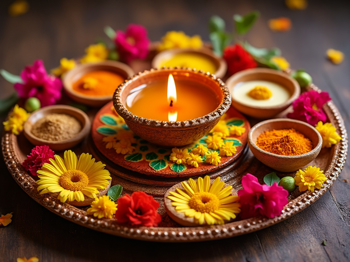
  • Prepare the Puja Thali: Arrange a thali (a decorative plate) with the following items:
    • Rakhi (sacred thread)
    • Kumkum (vermilion) or roli (red powder)
    • Rice grains (akshat)
    • Diya (oil lamp)
    • Sweets or fruits
    • Incense sticks
    • A small container of water
  • Dress in Traditional Attire: It is customary to wear traditional clothing on this occasion. Sisters often wear sarees, salwar kameez, or lehengas, while brothers might wear kurta-pajama or other ethnic wear.

2. Invocation of Deities

  • Light the Diya and Incense Sticks: Begin the ceremony by lighting the diya and incense sticks, which symbolize the presence of divine energy.
  • Offer Prayers: Offer prayers to Lord Ganesha and other deities for their blessings. This is done to remove obstacles and ensure the smooth conduct of the rituals.

3. Raksha Bandhan Puja

  • Apply Tilak: The sister applies a tilak (a mark) of kumkum or roli on her brother’s forehead. This is followed by placing a few rice grains over the tilak, symbolizing prosperity and protection.
  • Tying the Rakhi: The sister then ties the Rakhi around her brother's right wrist, chanting a mantra or offering a silent prayer for his well-being and long life.
  • Perform Aarti: After tying the Rakhi, the sister performs an aarti (a ritual of waving a lighted lamp in circular motions) around her brother, invoking divine protection and blessings.
  • Offer Sweets: The sister then offers sweets or fruits to her brother, signifying the sweetness of their relationship.

4. Brother’s Promise and Gifts

  • Brother’s Vow: The brother, in return, pledges to protect and care for his sister throughout his life. He may also place a hand on her head as a gesture of blessing.
  • Exchange of Gifts: Traditionally, the brother presents his sister with gifts as a token of appreciation and love. The gifts can range from money, jewelry, or anything that the sister might cherish.

5. Sharing a Meal

  • Family Feast: After the ceremony, it is customary for the family to share a festive meal together. This is an opportunity for the family to bond and celebrate the occasion.

6. Blessings and Good Wishes

  • Seek Elders’ Blessings: After the rituals, both siblings seek the blessings of their elders, who offer their good wishes and blessings for their well-being and prosperity.

7. Conclude the Ceremony

  • Distribute Prasad: The sweets and offerings from the puja thali are distributed among the family members as prasad (blessed food).
  • Express Gratitude: End the ceremony by expressing gratitude to each other and the deities for their blessings and protection.

This step-by-step procedure ensures that the Raksha Bandhan ceremony is conducted with respect and reverence, preserving the sanctity and meaning of this beautiful festival.