

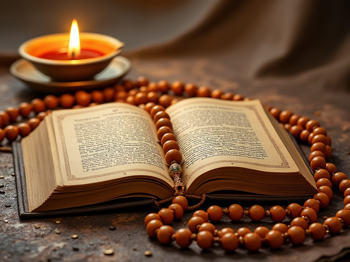
Sai Baba Puja is a sacred ritual dedicated to Shirdi Sai Baba, a revered spiritual leader and saint who is venerated by millions of devotees across the world. Sai Baba is widely regarded as a symbol of love, compassion, and humility, transcending religious boundaries to unite people from all walks of life. His teachings emphasize the importance of faith ("Shraddha") and patience ("Saburi"), encouraging devotees to lead a life of righteousness, kindness, and devotion.
The Sai Baba Puja involves offering prayers, singing hymns, and making offerings to the saint, seeking his blessings for peace, prosperity, and spiritual growth. This puja can be performed on any day, but Thursdays are considered particularly auspicious, as they are traditionally dedicated to Sai Baba. The ritual is a powerful way to connect with the divine, purify the mind and heart, and seek guidance on the path of life.

The significance of Sai Baba Puja lies in its ability to instill a deep sense of spiritual devotion and inner peace among devotees. By participating in the puja, devotees express their faith and surrender to Sai Baba, seeking his divine intervention in their lives. The ritual serves as a reminder of Sai Baba’s teachings on love, equality, and selfless service, inspiring individuals to lead a more virtuous and compassionate life. It also fosters a sense of community and shared spiritual experience, as devotees come together to honor the saint.
Performing a Sai Baba Puja is a devotional practice that can be done with simplicity and sincerity. Here's a step-by-step guide to help you perform the puja:
Clean the Puja Area: Choose a clean and quiet place in your home for the puja. Clean the area and set up a small altar or table.
Place the Picture or Idol of Sai Baba: Place a picture or an idol of Sai Baba on the altar. Decorate the altar with flowers, preferably fresh, and arrange all the puja items.
Gather Puja Items:
Personal Cleanliness: Take a bath and wear clean clothes, preferably white or light-colored, as a symbol of purity.
Light the Lamp and Incense: Light the diya (lamp) and the incense sticks, and place them near Sai Baba’s picture or idol.
Invocation: Begin by closing your eyes, folding your hands, and focusing your mind on Sai Baba. You can recite a simple invocation prayer like:
"Om Shri Sai Nathaya Namaha."
Offer Flowers: Offer fresh flowers to Sai Baba’s picture or idol. You can also make a small garland and place it around the idol.
Apply Tilak: Apply a small dot of kumkum and turmeric on Sai Baba’s forehead (on the picture or idol) and also on your forehead.
Offer Naivedyam (Food Offerings): Place the fruits, sweets, and a coconut in front of Sai Baba as an offering. You can also offer other food items as per your choice.
Sprinkle Water: Sprinkle a few drops of water on the food offerings, symbolizing purification.
Chanting Mantras or Sai Baba’s Name: Chant Sai Baba's mantras or repeat his name multiple times. You can say:
"Om Shri Sai Nathaya Namaha"
or recite any Sai Baba bhajans or hymns.
Perform the Aarti: Light the aarti lamp and move it in a circular motion in front of Sai Baba’s picture or idol while singing or playing the Sai Baba Aarti song. If you have a bell, ring it gently during the aarti.
Meditation and Silence: After the aarti, sit quietly for a few minutes, focusing on Sai Baba and expressing gratitude. This is a time for personal prayer and meditation.
Prasad Distribution: Conclude the puja by distributing the prasad (the food offerings) to family members and those present.
Concluding Prayer: End the puja with a concluding prayer, seeking blessings from Sai Baba for peace, prosperity, and spiritual growth. You can say:
"Om Shanti Shanti Shanti."
Cleaning: Once the puja is over, clean the altar, put out the diya, and ensure that the area is tidy.
Express Gratitude: Always remember to express your gratitude to Sai Baba for his blessings and guidance.
This is a basic and straightforward procedure for performing Sai Baba Puja. The most important aspect is the devotion and sincerity with which you perform the puja.
"Sai Charitra," or "Shri Sai Satcharitra," is a revered spiritual text that chronicles the life, teachings, and miracles of Sai Baba of Shirdi, a revered Indian saint. Written by Hemadpant (Govind Raghunath Dabholkar) in Marathi in the early 20th century, the book offers a detailed account of Sai Baba's humble beginnings, his spiritual wisdom, his divine experiences, and his profound love for all beings, irrespective of caste, creed, or religion. It is regarded as a guide for devotees, providing insights into Sai Baba's philosophy of faith, patience, selflessness, and the importance of self-realization. The "Sai Charitra" serves as both a biography and a spiritual manual, inspiring millions worldwide with its timeless messages of unity and compassion.
https://www.saidhamsola.org/satcharitra.php
https://shirdibooks.com/sai-satcharitra-chapters/