

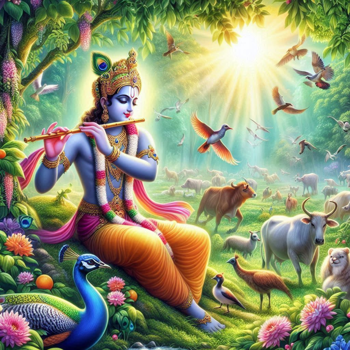
Sri Krishna Janmashtami, also known as Gokulashtami, is a Hindu festival that celebrates the birth of Lord Krishna, the eighth incarnation of Lord Vishnu. Observed with great devotion and enthusiasm across India and by Hindus worldwide, Janmashtami falls on the eighth day (Ashtami) of the Krishna Paksha (dark fortnight) in the month of Shravana, according to the Hindu lunar calendar. The festival is marked by fasting, singing devotional songs, performing special pujas (rituals), and reenacting episodes from Lord Krishna's life, particularly his childhood exploits.
Krishna, revered for his divine playfulness, wisdom, and the teachings he imparted in the Bhagavad Gita, is one of the most beloved and widely worshipped deities in Hinduism. Janmashtami is a time for devotees to reflect on the lessons from Krishna's life, seek his blessings, and celebrate his divine presence.

The puja (ritual worship) performed during Sri Krishna Janmashtami holds profound spiritual significance. It is a way for devotees to express their love, devotion, and gratitude towards Lord Krishna. The puja rituals often include offerings of flowers, fruits, sweets, and specially prepared dishes, accompanied by the chanting of mantras and prayers.
The significance of the puja can be understood through the following aspects:
Devotion and Bhakti: The puja is an expression of pure devotion (bhakti) towards Lord Krishna, symbolizing the devotee's deep love and surrender to the divine. It strengthens the bond between the devotee and the deity.
Spiritual Cleansing: Engaging in the rituals with sincere heart and mind helps cleanse the soul, removing negativity and impurities, and fostering inner peace and tranquility.
Celebration of Divine Leela: The puja celebrates the divine leela (play) of Lord Krishna, especially his miraculous birth and childhood, reminding devotees of the power and grace of the divine.
Reflection on Teachings: The rituals provide an opportunity to meditate on the teachings of Krishna, particularly those in the Bhagavad Gita, encouraging moral and spiritual growth.
Strengthening of Community Bonds: The communal celebrations and collective worship during Janmashtami help strengthen the sense of unity and shared faith among devotees.
Spiritual Growth: Performing the puja with devotion deepens one's spiritual practice and understanding of Krishna's teachings.
Removal of Obstacles: Devotees believe that the blessings of Lord Krishna can help remove obstacles from one's life, leading to smoother progress on both material and spiritual paths.
Peace and Harmony: The rituals and prayers promote inner peace, reduce stress, and bring harmony into one's life and relationships.
Protection from Negativity: The puja is believed to offer protection from evil forces and negative influences, ensuring safety and well-being.
Prosperity and Success: Seeking Krishna's blessings through the puja is thought to attract prosperity, success, and overall well-being into one's life.
Fulfillment of Desires: Devotees often pray for the fulfillment of their righteous desires during Janmashtami, trusting that Krishna will grant their wishes.
Strengthening Faith: Regular observance of Janmashtami and performing the puja can significantly strengthen one's faith and trust in divine will.
Performing the Sri Krishna Janmashtami puja with devotion and reverence involves several steps. Below is a detailed guide on how to conduct the puja:
Invoke Lord Krishna: Begin by lighting a lamp (diya) and incense sticks. Offer prayers to Lord Ganesha to remove obstacles and then invoke Lord Krishna by reciting mantras or simply chanting his name.
Abhishekam (Bathing of the Deity): If you have an idol of Lord Krishna, especially a baby Krishna, perform Abhishekam. Pour panchamrit (a mixture of milk, curd, honey, ghee, and sugar) over the idol, followed by water. Clean the idol and dress it in new clothes.
Offerings (Naivedyam): Place the prepared food items like fruits, sweets, butter, curd, and other delicacies before the deity. You can also offer a tulsi leaf with each food item, as tulsi is considered very dear to Lord Krishna.
Decoration: Adorn the idol or image of Krishna with flowers, garlands, and jewelry. Place the deity on the swing (jhula) and gently swing it, symbolizing the joy of his birth.
Aarti and Bhajans: Perform aarti (a ritual of waving a lit lamp in front of the deity) while singing Krishna bhajans (devotional songs) or chanting mantras like the "Hare Krishna" mantra or "Om Namo Bhagavate Vasudevaya." Ring bells, blow the conch, and create a joyous atmosphere.
Recite Krishna's Birth Story: Read or narrate the story of Lord Krishna’s birth from the scriptures, focusing on the divine circumstances of his appearance on earth.
Distribute Prasad: After the aarti, distribute the prasad to all family members and devotees. This prasad is considered blessed by Lord Krishna.
Seek Blessings: End the puja by seeking Lord Krishna's blessings for peace, prosperity, and spiritual growth. You can also meditate for a few minutes, focusing on Lord Krishna’s teachings and divine form.
Breaking the Fast: If you have been fasting, you may break the fast after the midnight puja with the prasad or a light meal.
By following these steps with devotion and sincerity, you can perform a meaningful Sri Krishna Janmashtami puja that brings you closer to the divine and enriches your spiritual journey.