

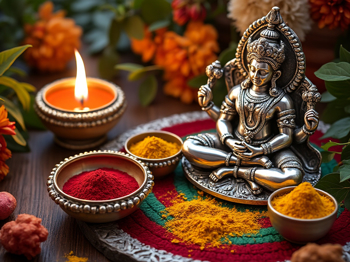
Varalakshmi Vratam is a significant and auspicious Hindu festival dedicated to Goddess Lakshmi, the goddess of wealth, prosperity, and well-being. Celebrated predominantly by married women in the southern states of India such as Andhra Pradesh, Karnataka, Tamil Nadu, and Telangana, this vratam or fast is observed on the Friday before the full moon (Purnima) in the month of Shravana, which typically falls in July or August. The festival is named after "Vara" meaning boon and "Lakshmi," the goddess who grants blessings, symbolizing the bestowal of wealth, prosperity, and happiness. Women perform this puja with devotion, praying for the well-being of their family, especially their husbands, and for the prosperity of their homes.

The Varalakshmi Vratam holds deep religious and cultural significance. It is believed that worshipping Goddess Lakshmi on this day is equivalent to worshipping the Ashtalakshmi, the eight forms of Lakshmi that represent various aspects of wealth and prosperity, including wealth, fertility, courage, education, and success. According to legend, this vratam was suggested by Goddess Parvati to a woman named Charumathi, who performed the ritual with such devotion that she and her family were blessed with immense wealth and prosperity. Since then, it has been a tradition for women to observe this vratam with the belief that it will bring divine blessings to their families. The festival is also seen as a celebration of womanhood, emphasizing the role of women as the bearers of prosperity and happiness in the household.
Blessings of Wealth and Prosperity: Performing the Varalakshmi Vratam is believed to attract the blessings of Goddess Lakshmi, ensuring wealth, prosperity, and financial stability in the household.
Family Well-being: The vratam is traditionally observed by married women who pray for the longevity, health, and well-being of their husbands, children, and family members.
Spiritual Growth: Engaging in the rituals of the vratam promotes spiritual discipline and devotion, helping participants strengthen their faith and spiritual connection.
Fulfillment of Desires: As the name "Varalakshmi" suggests, the vratam is believed to grant boons and fulfill the sincere desires of those who perform the puja with devotion.
Promotion of Unity and Harmony: The festival fosters a sense of unity among family members and within the community as women come together to perform the rituals and share in the celebrations.
Cultural Continuity: Observing the Varalakshmi Vratam helps in preserving and passing on rich cultural and religious traditions to the next generation, ensuring the continuity of these practices.
Enhanced Positivity and Peace: The rituals and prayers conducted during the vratam are said to purify the home environment, filling it with positive energy and peace.
Performing Varalakshmi Vratam involves several rituals and customs that are observed with devotion and precision. Below is a step-by-step guide to performing the Varalakshmi Vratam:
This step-by-step procedure ensures that the Varalakshmi Vratam is performed with devotion and adherence to traditional customs, bringing peace, prosperity, and blessings to the household.
Om Sri Lakshmiye Namah
Once upon a time, in a city called Kundinapura, there lived a virtuous and devout woman named Charumathi. She was well known for her piety and dedication to her family and to God. Charumathi was married to a kind and noble man, and they both lived a life of virtue and devotion. However, despite their goodness, they faced financial hardships and had no children. Charumathi continued her prayers and rituals with unwavering faith.
One night, as Charumathi slept, she had a divine vision. The glorious Goddess Lakshmi appeared before her, adorned in resplendent attire, radiating grace and beauty. The Goddess spoke to Charumathi and said, "O Charumathi, I am pleased with your devotion and the virtuous life you lead. I want to bless you and your family with wealth, prosperity, and happiness. For this, you should observe the Varalakshmi Vratam. This vratam will grant you all the boons you desire and will bring peace and prosperity to your household."
The next morning, Charumathi woke up with great joy and narrated the dream to her husband. Her husband, recognizing the divine blessing, encouraged her to perform the vratam as instructed by the Goddess.
With enthusiasm, Charumathi invited all the women of her neighborhood and explained to them the significance of the Varalakshmi Vratam. She urged them to join her in observing this sacred ritual. The women were moved by her sincerity and agreed to perform the vratam together.
On the auspicious Friday of the month of Shravana, the women gathered at Charumathi’s house. They cleaned the house and decorated it beautifully with flowers and rangoli. Charumathi prepared a kalasha (a sacred pot) symbolizing Goddess Lakshmi. The kalasha was filled with water, adorned with mango leaves, and a coconut was placed on top. The kalasha was decorated with turmeric, kumkum, and flowers.
Charumathi, along with the other women, began the puja with great devotion. They chanted hymns and mantras in praise of Goddess Lakshmi. They offered various delicacies, fruits, and flowers to the Goddess. The women then tied the sacred thread (saradu) around their wrists, a symbol of protection and blessing.
As the rituals were completed, a miraculous event occurred. Goddess Lakshmi, pleased with their devotion, appeared before the women in a divine form. She smiled graciously at Charumathi and the others and said, "I am pleased with your devotion. From this day onwards, you shall be blessed with wealth, prosperity, and all the happiness you desire. Continue to observe the Varalakshmi Vratam every year, and all your wishes will be fulfilled."
The Goddess then disappeared, leaving the women filled with awe and joy. Charumathi’s life changed from that day. Her family was blessed with immense wealth, and she was soon blessed with children. The other women who observed the vratam also experienced great fortune and happiness in their lives.
The news of the miraculous blessings spread throughout the land, and many more women began to observe the Varalakshmi Vratam with devotion and faith. The vratam became a tradition, passed down through generations.
It is believed that whoever performs the Varalakshmi Vratam with sincerity and devotion will be blessed by Goddess Lakshmi with wealth, prosperity, and well-being. The sacred katha serves as a reminder of the power of devotion and the blessings that come from observing this sacred ritual.
Om Shree Maha Lakshmiye Namah